

From Green to Greenery: A Living Colour in Architecture, Interiors, and Landscape Design
- Mar 7
- 3 min read
Green is more than a colour. In the built environment, it is a bridge between nature and structure, a symbol of renewal, and a material strategy that has shaped design thinking for centuries. From ancient gardens to modern sustainable architecture, green has evolved from pigment to principle — and today, it sits at the heart of how we design healthier, more resilient spaces.

Green as a Colour: Psychology, Symbolism, and Space
As a colour, green occupies a unique position on the spectrum — balanced between warm and cool, stimulating yet calming. In interior and architectural design, green is often associated with:
Restoration and well-being
Balance and harmony
Growth, longevity, and stability
Historically, green pigments were difficult to produce and often unstable, which made them rare and symbolic. In medieval architecture and sacred interiors, green represented fertility and rebirth, while in later centuries it came to be associated with status, leisure, and cultivated landscapes.
In contemporary interiors, green performs spatial magic. Deep greens ground large spaces and add gravitas; soft sage and moss tones quiet, busy environments; saturated emeralds bring drama and confidence. Green adapts effortlessly across styles — from minimal modernism to richly layered traditional spaces.
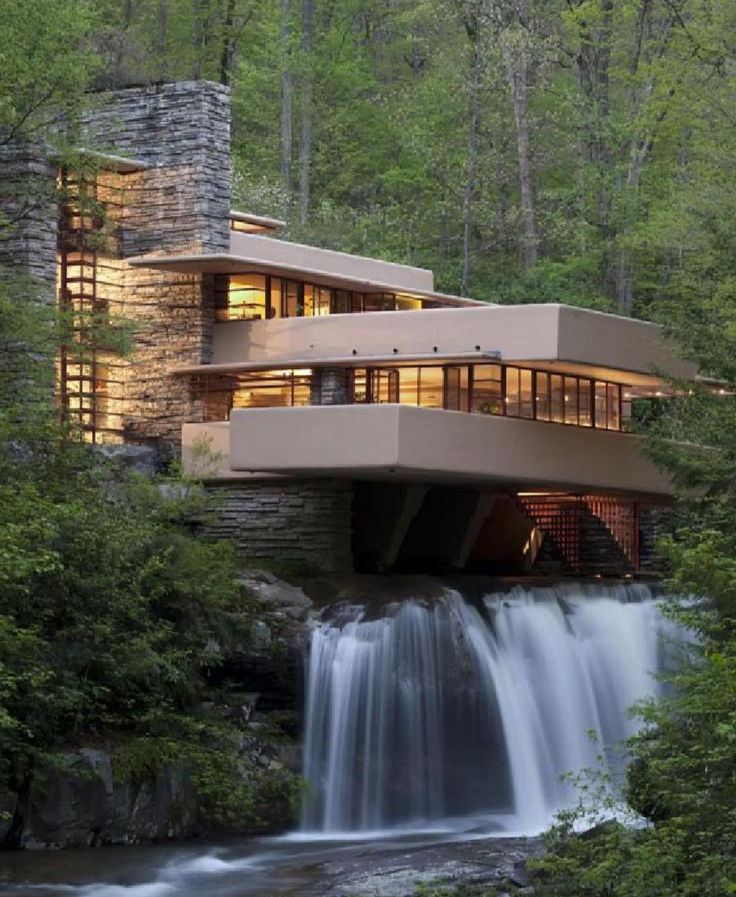
Green in Architectural History: Nature as Order
Architecture has long looked to green as a reference point for order, proportion, and harmony.
Classical architecture framed nature through courtyards and gardens, using greenery as a measured counterpart to stone and symmetry. Later movements pushed this relationship further. The Arts and Crafts Movement emphasized honesty of materials and a return to natural forms, while modernists like those associated with the Bauhaus sought to integrate light, air, and landscape into rational, human-centred design.
By the mid-20th century, architects began dissolving the boundary between building and landscape altogether — blurring indoors and outdoors, framing views, and embedding structures within green settings rather than placing them on top of them.

Greenery as Design Strategy: Living Systems
Greenery is no longer decorative — it is infrastructural.
In architecture and landscape design, plants now function as active systems that:
Regulate temperature and improve insulation
Filter air and manage stormwater
Support biodiversity and urban ecosystems
Improve mental and physical well-being
Green roofs, living walls, internal courtyards, and integrated landscapes transform buildings into participants in their environment. Rather than resisting nature, contemporary design increasingly collaborates with it.
Interior spaces benefit just as profoundly. Biophilic design — the intentional integration of natural elements — has been shown to improve focus, reduce stress, and enhance overall comfort. A single tree in an atrium, a planted stairwell, or a window aligned with greenery can redefine how a space feels and functions.

Cultural Perspectives on Green
Across cultures, green carries layered meanings that influence design interpretation.
In many Eastern traditions, green symbolizes life force and renewal, often integrated through gardens, courtyards, and transitional spaces.
In Islamic architecture, green is associated with paradise and eternity, reflected in lush gardens and water-rich landscapes.
In Western contexts, green has evolved from a pastoral ideal to an ecological responsibility — shifting from visual comfort to an environmental imperative.
Understanding these perspectives allows designers to use green not just aesthetically, but intentionally, aligning colour, planting, and spatial planning with cultural and emotional resonance.

Green Today: From Aesthetic to Ethos
Today, green is both a visual language and an ethical stance.
Clients increasingly seek spaces that feel connected, restorative, and responsible. Green expresses this desire on multiple levels — through colour palettes that soothe, landscapes that perform, and buildings that respond intelligently to climate and place.
For architectural, interior, and landscape design practices, working with green means thinking holistically:
Colour that supports mood and longevity
Materials that age gracefully and sustainably
Plant systems that evolve over time
Spaces that prioritize human and environmental well-being

Designing the Future in Green
From pigment to planting, from symbol to system, green continues to shape how we design the world around us. It reminds us that good design is not static — it grows, adapts, and lives alongside us.
In embracing green, we are not just adding colour or greenery — we are designing environments that breathe, heal, and endure.
Thank you for Reading
If you want to connect to Create Your Beautiful Design Projects, please complete and submit the form below. We look forward to connecting with you soon
Blog Post Subscription Sign-Up
If you are interested in receiving the next Blog Post via email, fill out the form below, and we will add you to our Begin Creative LineUp to keep you in the 'know' and share new promotions.
All information shared is confidential and is solely used for Begin Creative LineUp List purposes.


Comments